Decide what the reader needs
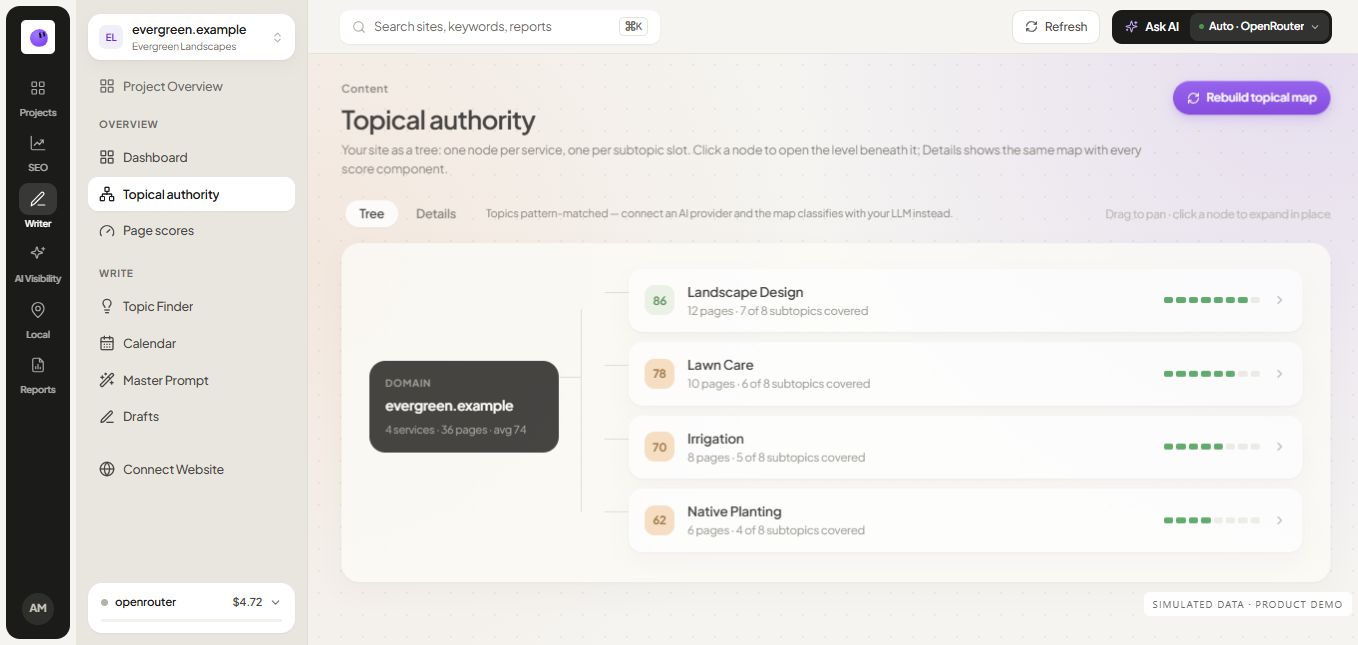
Start with a question your product or experience can answer. Use a topical map to relate it to existing pages. Check whether updating a current article would solve the problem before creating another URL.
Give the writer enough evidence
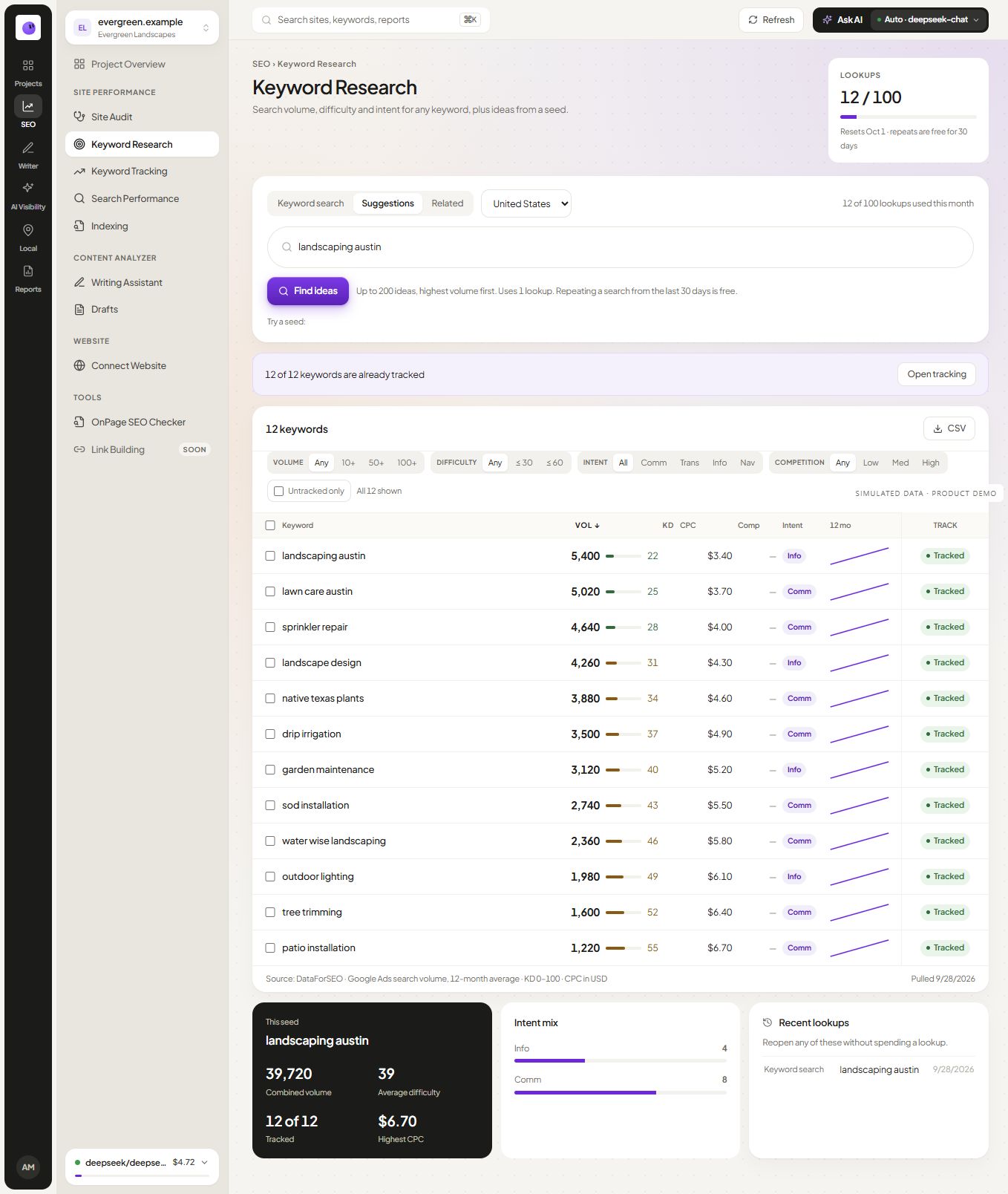
A content brief should name the audience, intended outcome, supporting facts and internal links. Include the product limitations that matter to the reader. A screenshot can explain a workflow; an unverified claim cannot substitute for one.
Review the draft before approving publication
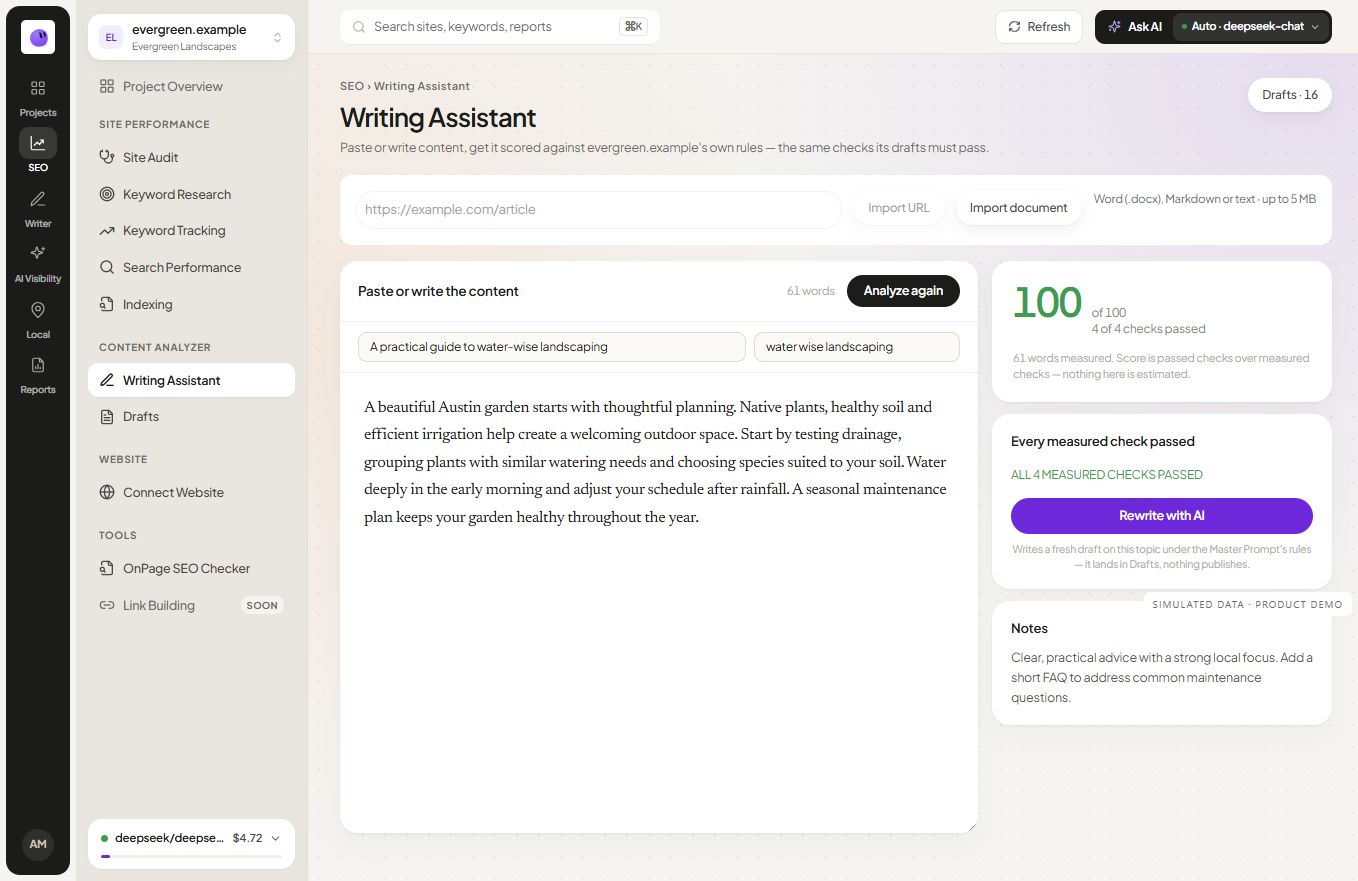
Confirm factual claims, examples, sources and the next action. Read any AI-assisted passage against the underlying evidence. The currently implemented scheduling workflow selects approved content for publication; draft generation consent does not authorize publishing an unreviewed draft.
Schedule work that is ready
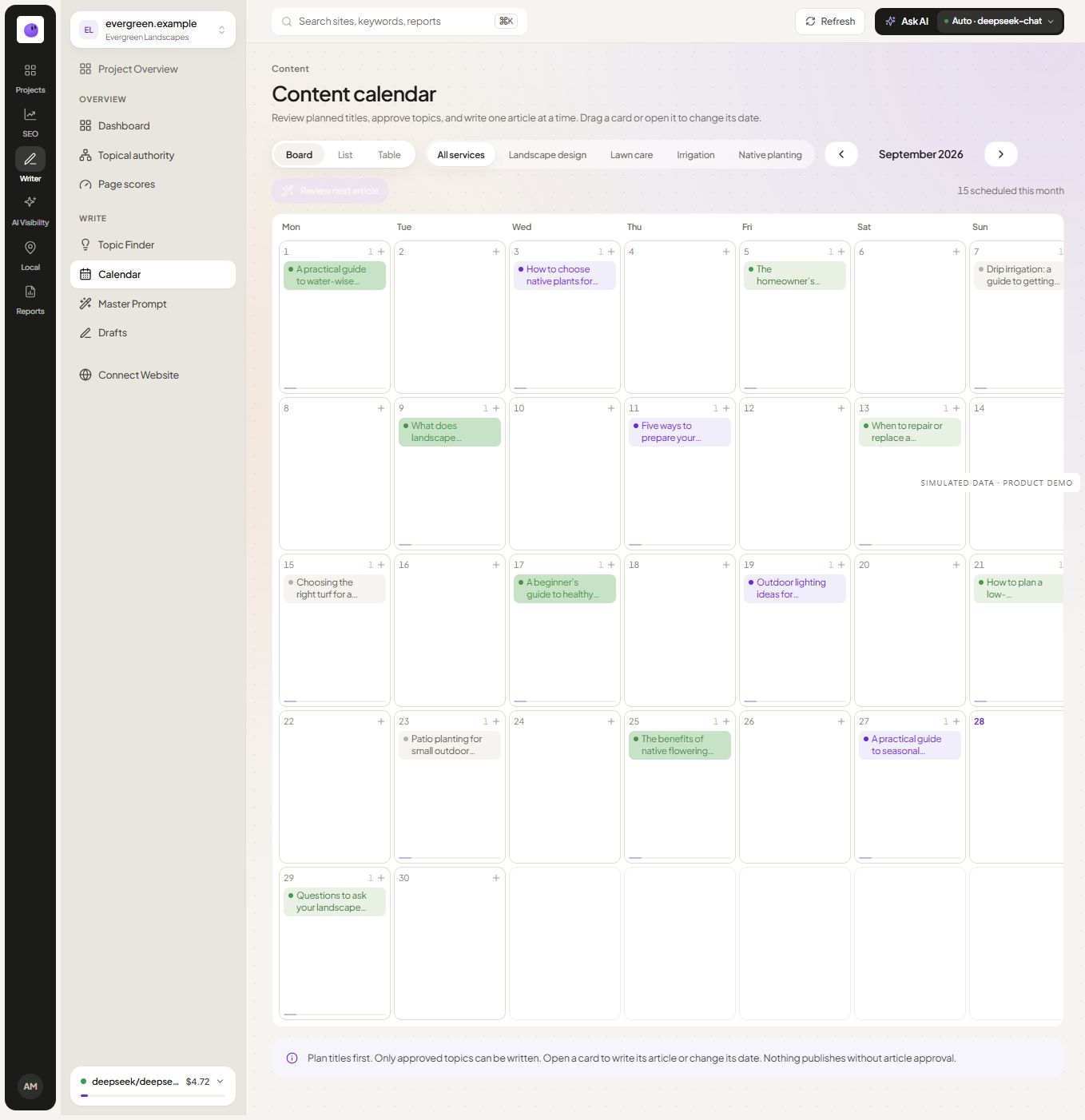
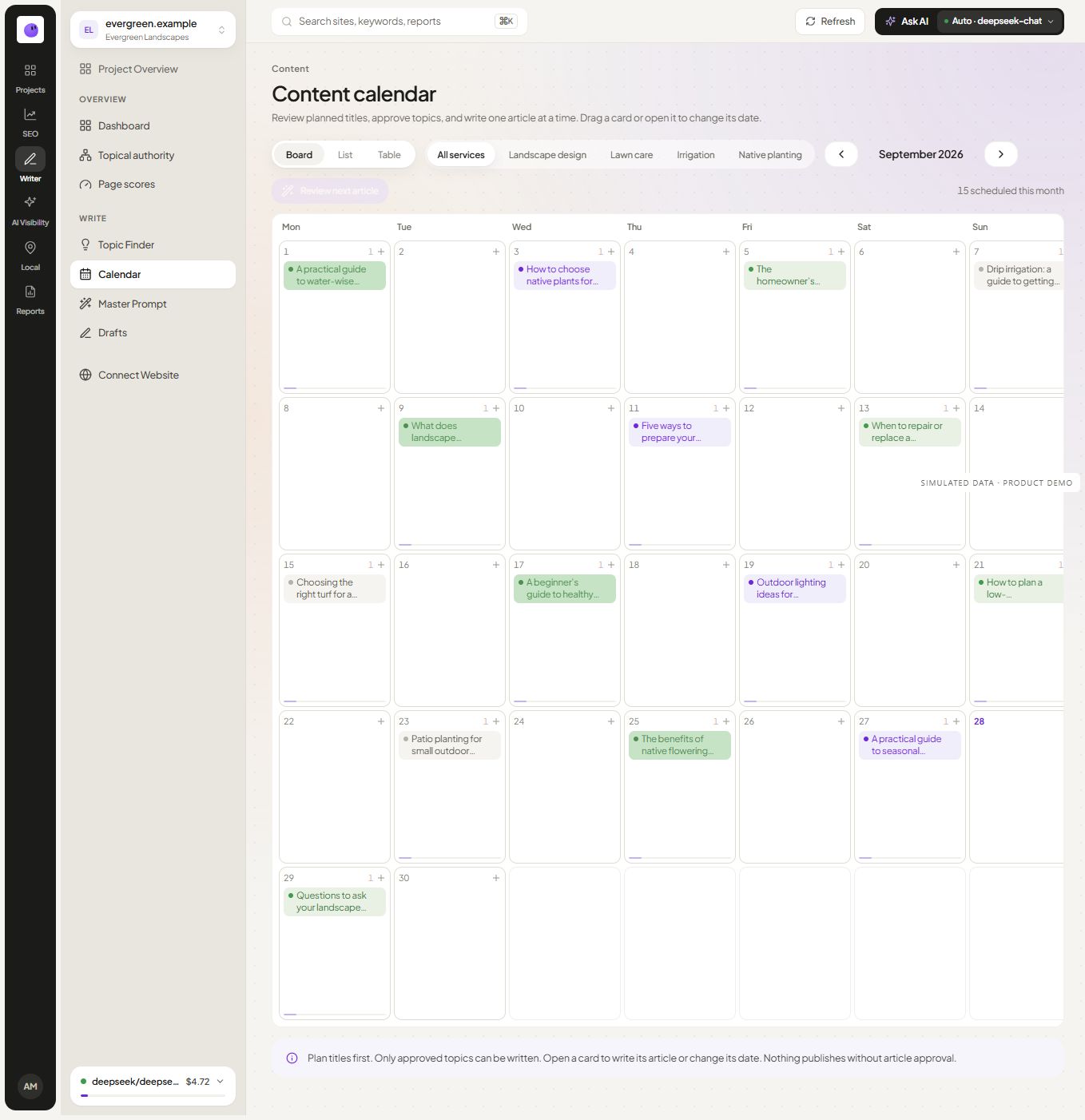
Use the content calendar to organize approved content and the publication destination. Check the resulting page after delivery. A task leaving the queue is not sufficient evidence that the public page rendered correctly.
Maintain the pages you already have
Review content when the product, source material or reader need changes. Keep genuinely useful dates, update outdated examples and consolidate overlapping pages. A cluster is useful because its pages answer related questions well, not because it reaches a predetermined page count.
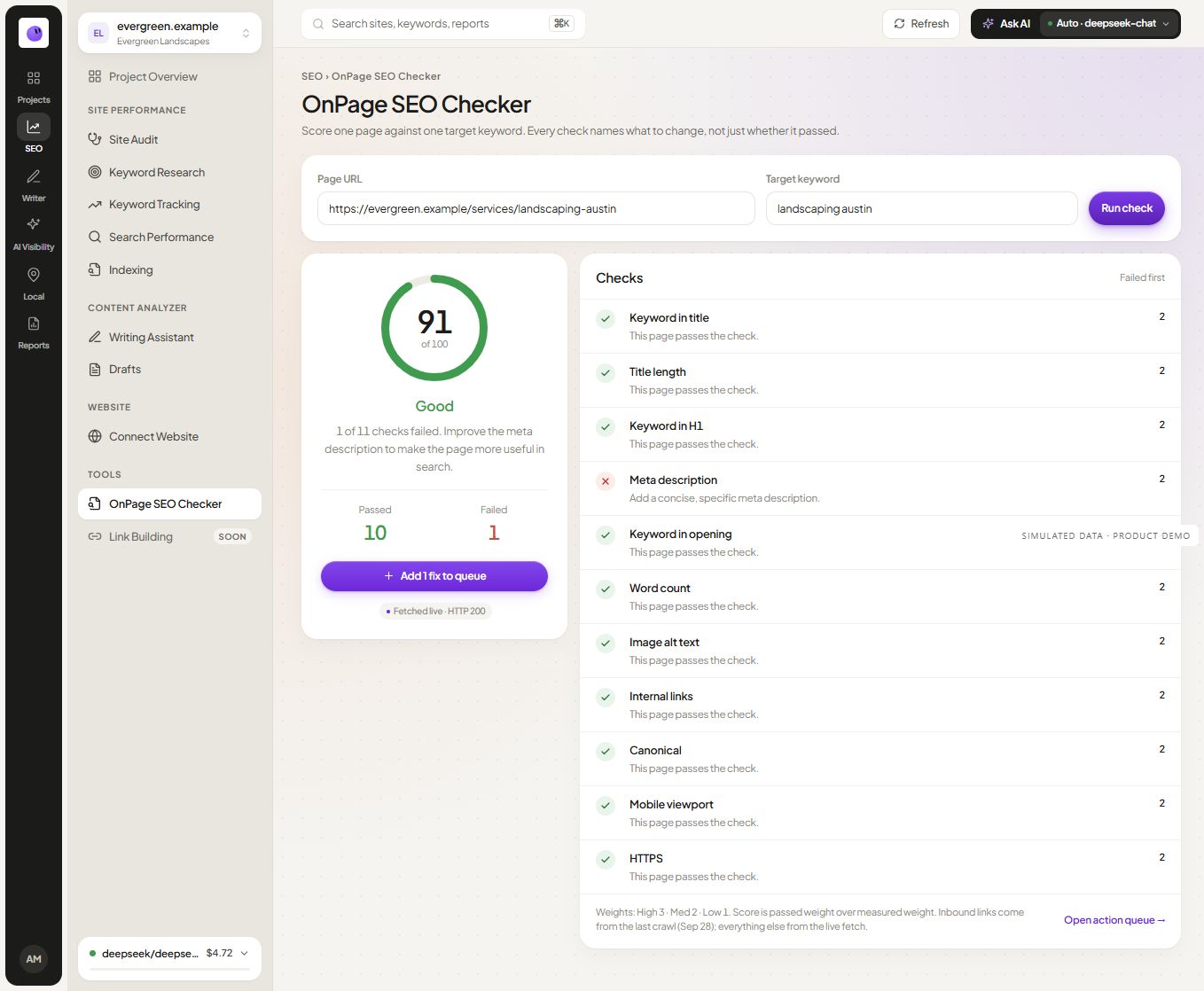
For the first cycle, choose one core guide, one helpful utility and the supporting articles you can substantiate. Link them naturally and use the SEO workflow to inspect the published result.